
Escape Is Not Change

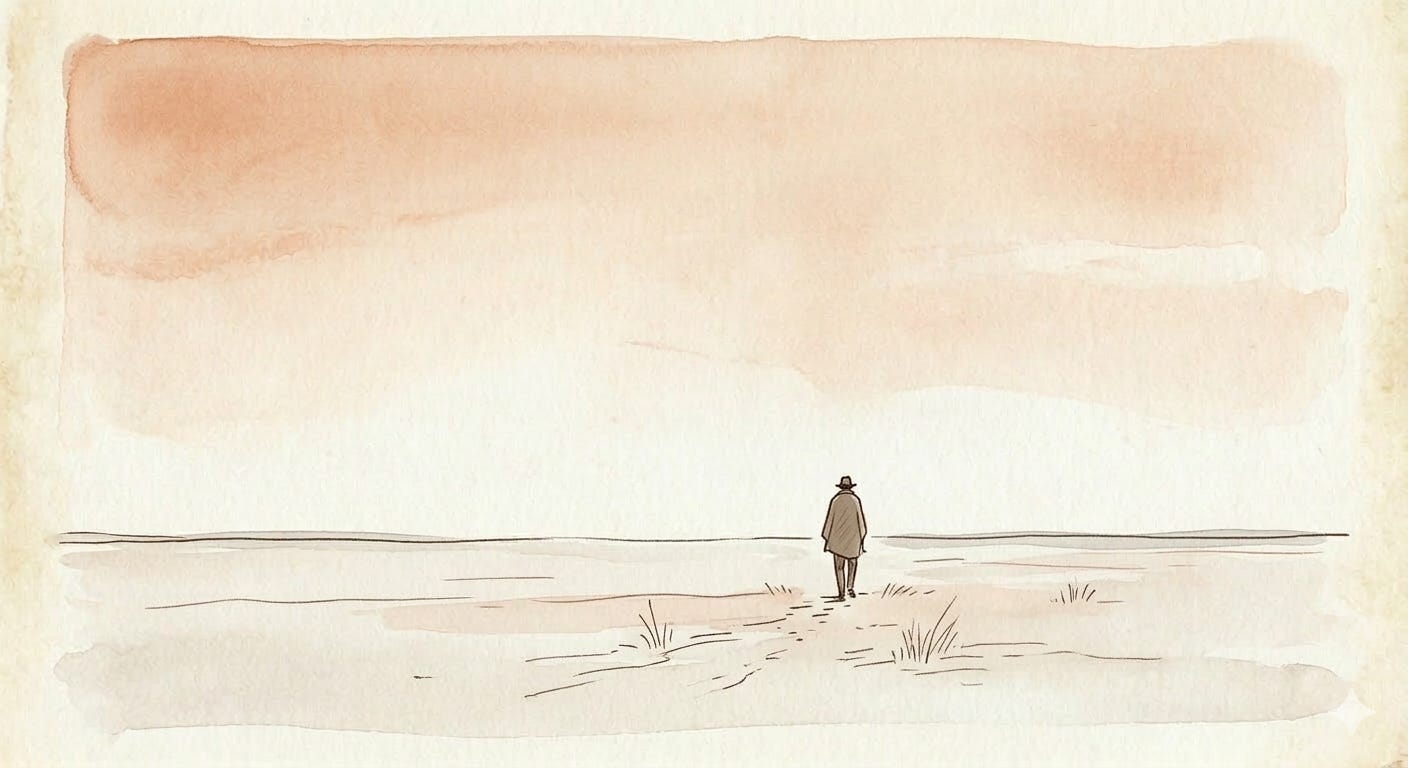
Some words arrive uninvited.
I was in the shower when the word shame surfaced. Not as a concept to explore — as a recognition. I’d been turning something over for days: why do the people most convinced of a better way so often make others feel bad for not already being there?
I’ve watched it happen with organizational design, with technology, with personal development, with spiritual practice, with almost every movement that carries a genuine insight. The argument is solid. The evidence is real. And yet the message arrives wrapped in contempt — for the old way, for the people still in it, for anyone who hasn’t yet seen what seems, to the messenger, blindingly obvious.
And it doesn’t work. Not really.
Oh, it produces motion. People scramble, adapt, adopt the new language, restructure the org chart. From the outside, it looks like change. But there’s a difference between moving toward something and moving away from pain. Escape and transformation can look identical in the short term. They feel completely different from the inside. And they lead to entirely different places.
So the question that won’t leave me alone is not why don’t people change. It’s something more specific: why do people who have seen something true so often reach for shame to share it?
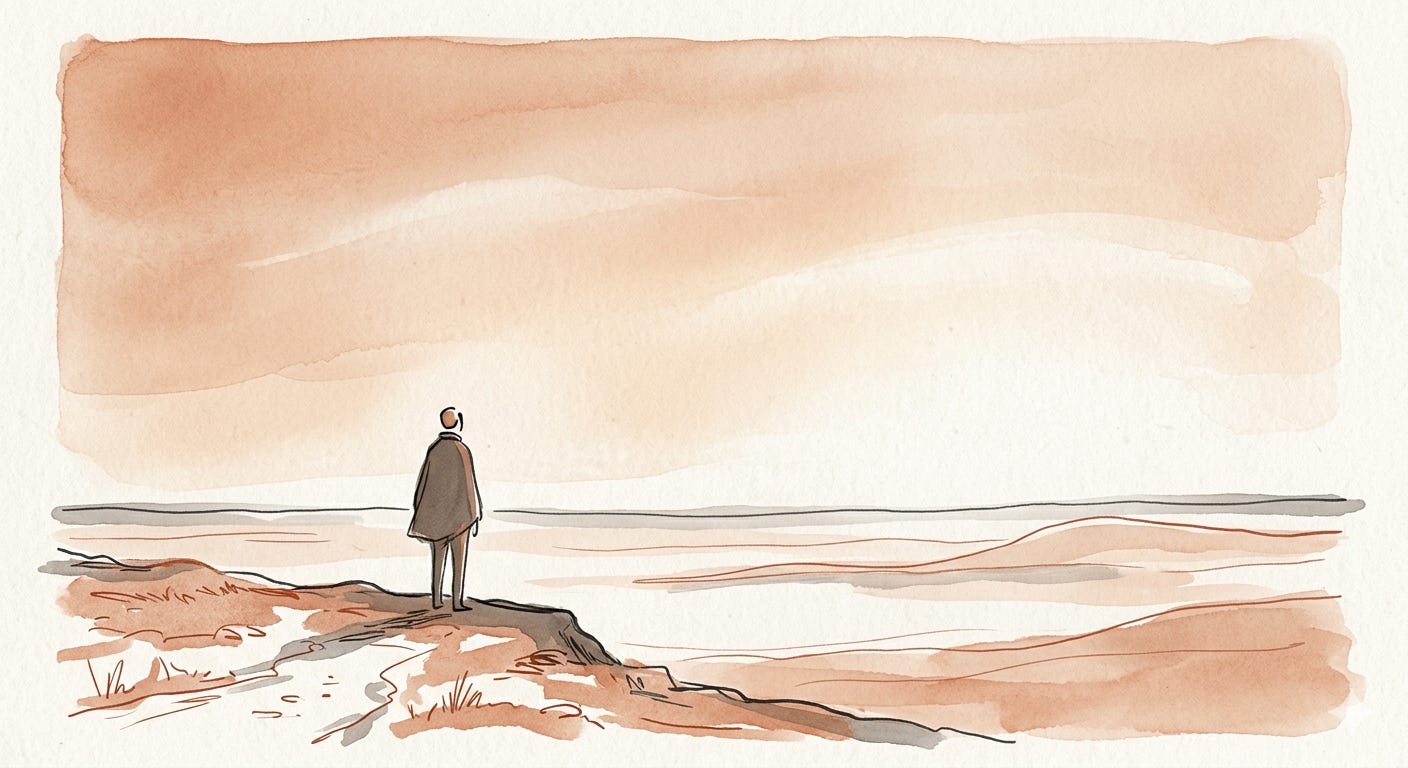
The answer, I think, starts with a kind of forgetting.
When you’ve genuinely seen something — really seen it, in the way that changes how you act and not just what you believe — the path that brought you there becomes invisible. You remember the destination. You forget the journey. And from the destination, the way forward looks obvious. Self-evident. Almost impossible to miss.
So when others don’t see it, the mind reaches for explanations. They must be lazy. Comfortable. Afraid. Invested in the old way. Too proud to admit they were wrong. The explanations multiply, and they all share a common structure: something is wrong with the person who can’t see what you can clearly see.
This is where shame enters. Not always as a deliberate strategy; more often as a leak. The contempt is genuine. It shows in the tone, the framing, the examples chosen. The condescension is the point, even when the argument is technically sound.
And here is the cruelest irony: it doesn’t work. Not because the insight is wrong, but because of what shame does to the person receiving it. It doesn’t open. It closes. It doesn’t invite movement toward something new. It triggers the defense of what already exists. When someone makes you feel foolish for where you are, you don’t become curious about where they’re standing. You dig in.
Shame produces escape at best. You move away from the discomfort, not toward the possibility. The motion is real. The transformation isn’t.
There’s a word for the person who manages to hold both.
Art Kleiner, in The Age of Heretics, defines a heretic as someone who sees a truth that contradicts the conventional wisdom of their organization, and remains loyal to both that truth and the organization they work for. Not one or the other. Both.
That double loyalty is extraordinarily difficult. It’s much easier to choose. You can abandon the truth to keep the peace — smile, adapt, stop pushing. Or you can keep the truth and abandon the people — declare them lost, speak only to the already converted, let contempt replace curiosity. Both are forms of giving up. The first on the insight. The second on the person.
What makes someone a heretic, in Kleiner’s sense, isn’t the strength of their conviction. Plenty of people have strong convictions. It’s the refusal to let go of either loyalty; to stay in relationship with people who haven’t arrived where you are, without pretending you haven’t arrived there yourself.
That’s not softness. It’s not relativism. It doesn’t mean assuming all positions are equally valid. You can believe something is genuinely better and still hold open the question: better for whom, under what conditions, and what would need to be true for this person, in this situation, to want to move?
That question, and the genuine curiosity it requires, is what separates a heretic from a preacher. The preacher already knows why you haven’t converted. The heretic is still interested in finding out.
The hardest version of this, I’ve found through some painful experiences, is the one we practice on ourselves: the double loyalty between who we are today and who we see we might become.
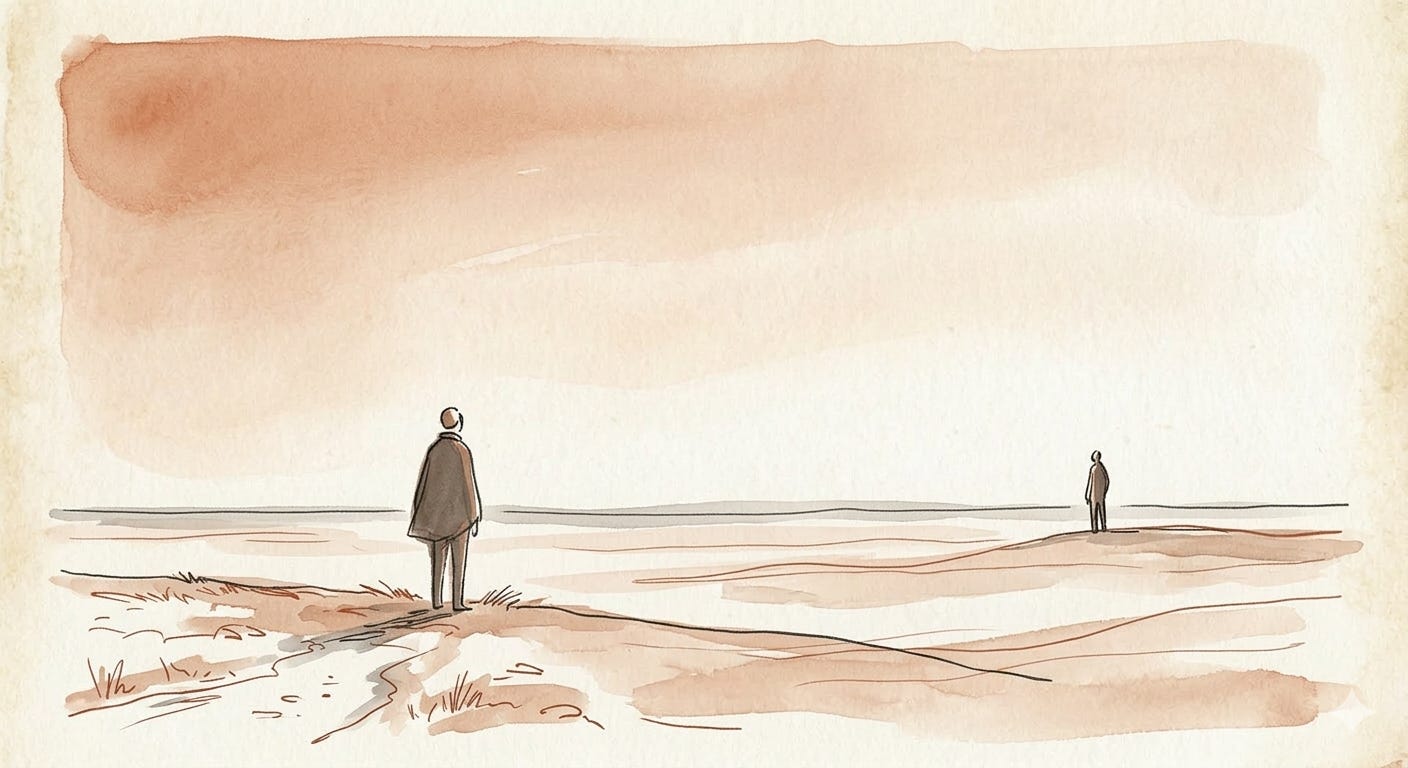
The curiosity I’m describing isn’t a technique. You can’t perform it. The moment it becomes a strategy for getting people to change, it collapses back into manipulation. Softer than shame, but the same structure underneath. A means to an end. The person still isn’t real to you. They’re an obstacle you’ve decided to approach more cleverly.
What makes it real is prior to method. It’s a question you have to actually want the answer to: what is it like to be where they are?
Not: what’s stopping them. Not: what would convince them. But genuine curiosity about the landscape of someone else’s position: what makes sense about it from the inside, what it costs them to consider leaving it, what they’d be giving up that you might not even be able to see from where you stand.
This is what love looks like in practice. Not warmth, necessarily. Not agreement. But the willingness to hold the other person as real, as someone whose path to the truth might look nothing like yours, and whose arrival, if it comes, will be on their own terms.
You can only change what you love. I’ve believed this for a long time, and I keep finding it confirmed. But I’ve started to think it applies in both directions. Not just: you can only change something you love. Also, you can only help someone, or something, change if you love them, if you care about the people as much as you care about the possibility you’re holding out to them.
The heretic’s double loyalty, in the end, is an act of love. Loyalty to the truth you’ve seen. Loyalty to the people who haven’t seen it yet. Neither one sacrificed for the other.
It’s harder than being right. It’s harder than being kind. But it’s the only way that actually moves anything.
Not away from what is, but toward what could be.
Thanks for reading this far. Muchness is where I explore questions that won't leave me alone. If that sounds like your kind of thing, subscribe. And if this piece resonates with you, support this journey with a like or by sharing it with those who, like us, are trying to make sense of their reality.